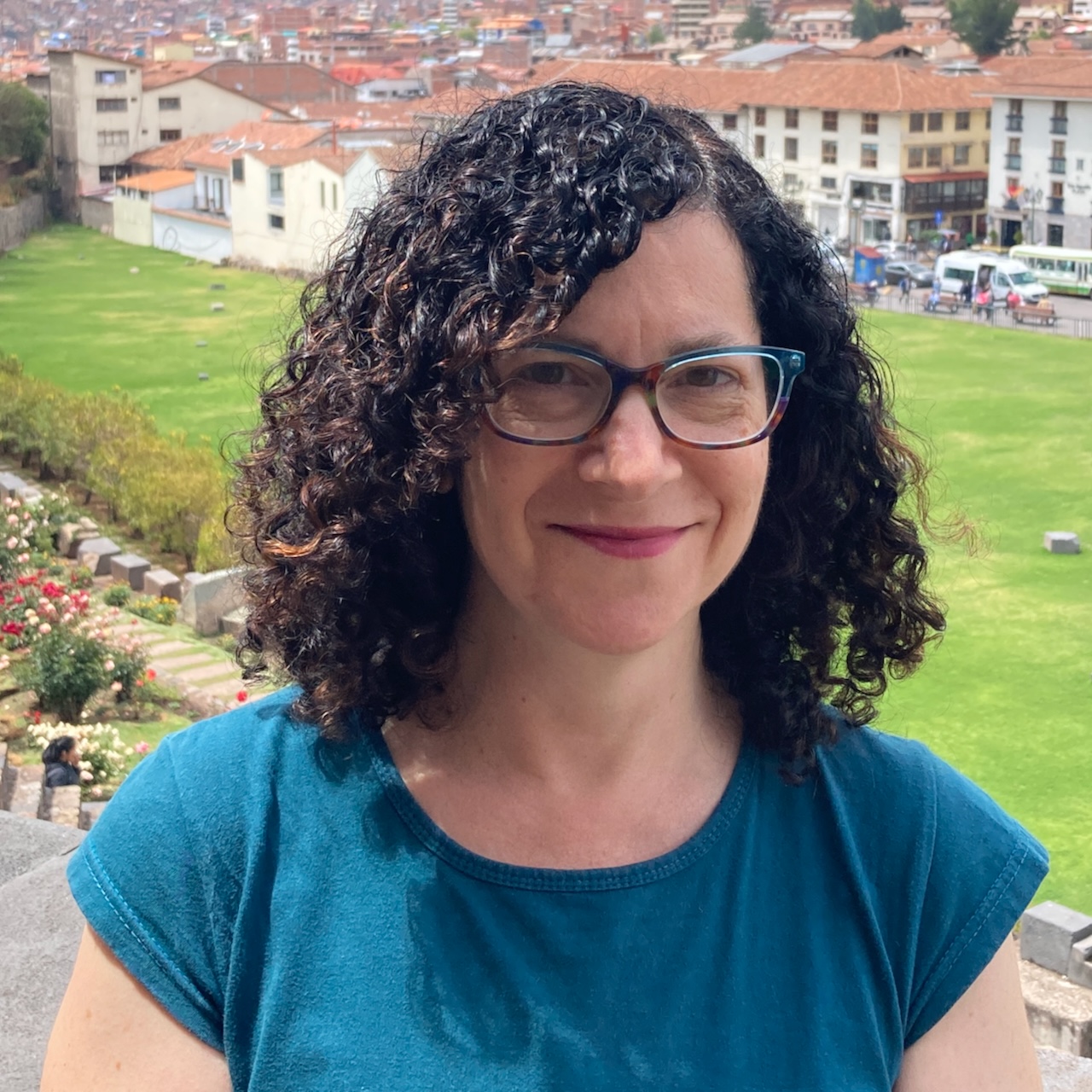
In 1986, I graduated from my Montréal high school feeling less than bilingual, despite a decade’s worth of French immersion. A frustratingly finite vocabulary, jumbled verb tenses, and most embarrassing of all, a quirky accent: it was always obvious that I didn’t belong to the francophone majority, making me feel like an outsider in my own city.
How did I get there? A few months before the Montréal Summer Olympics ten years earlier, my parents had moved us to a new neighbourhood, plunging me unceremoniously into a 100% French program in the middle of kindergarten. After my first day, I tried to explain to my parents how terrified and confused I felt, tears rolling down my small cheeks. Why was my classroom no longer a space where I could speak the only language I knew?
Eventually I did start to figure things out. But even if French immersion was the rule inside the classroom, outside of it I was still immersed in an English world, from the chatter-filled lunchroom and schoolyard, to Saturday morning cartoons and library books. Not only that, but the amount of French academic time was gradually reduced, dwindling to a measly two classes by my last year of secondary school.
This recipe was not nearly enough to make me confidently bilingual. By the time I graduated, I still struggled to express complex thoughts in French, translating every word before it left my lips. I’d ask a question at the grocery store and get a puzzled look back. People would switch to English after hearing my accent, and occasionally I’d get the dreaded, “Where are you from?” (Um, here?)
Working with a Québécoise boss in my early thirties, I asked her, “Do most francophones prefer if someone communicates with them in imperfect French, or perfect English?”
“Imperfect French, for sure!” she replied, without hesitation.
The revelation shifted my perspective, as if I could let out a breath I’d been holding in for decades. It was a huge relief to realize I could use the French I had – without needing to be perfect.
In 2018, I left the very anglophone neighbourhood I’d called home for over 25 years. Needing a complete change of scene after a separation, I moved across town to a more French-speaking area. I communicated with my landlord entirely en français, and began to see things from a new angle, both geographically and culturally. My accent improved, and folks switched to English on me less often.
After buying a small condo early in the pandemic, I wound up on the condo board, where we conducted business in French, usually in writing. I quickly picked up some new – if specialized – terminology: béton (concrete), cotisation spéciale (special assessment), fer forgé (wrought iron).
In early 2020, I watched an eerie pandemic precursor on TV called Épidémie, with the English subtitles on. It taught me furet (ferret), civière (stretcher), and passer dans le beurre (to go unnoticed).
In 2024, I met a special francophone man who became my partner in life. Now, we switch back and forth between les deux langues constantly, without thinking. Sometimes il parle très vite (he speaks very fast) and the words blend together in my ears, so I ask him to repeat more slowly – mais en français.
I watch French TV and follow along with the French subtitles to better decipher rapid speech and unfamiliar words. I recognize local references peppered throughout the familial comedy Lakay Nou, like the agony of les cônes oranges, my city’s notoriously plentiful traffic cones. The beautifully rendered relationships in Empathie move me, and I eagerly await the next season. I’m completely addicted to STAT – think Grey’s Anatomy crossed with a plot hole-filled soap opera. (Thanks to my friend Erica’s podcast for this suggestion!) Sometimes I have to rewind bits of fast-paced dialogue, and I ask my partner to decipher new idioms. Il ne m’en veut pas. (He doesn’t blame me.)
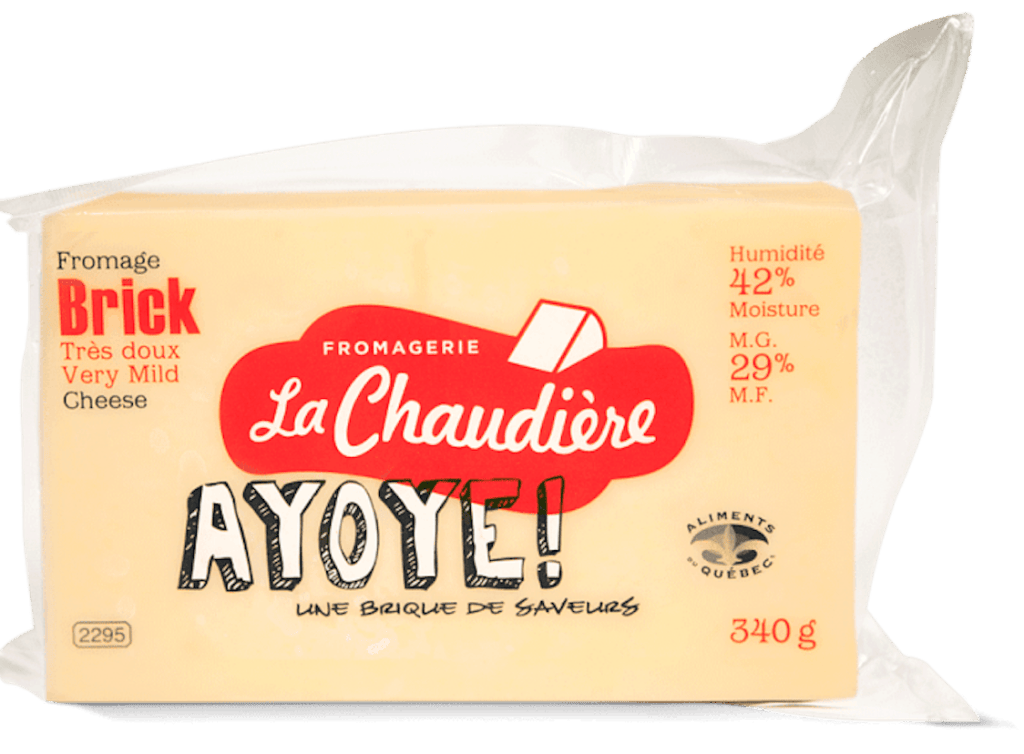
Daily errands are filled with exclamations of ayoye! (wow!, in a good way) and ayoye! (yikes!, in a bad way). Some words always enter my brain first in French, before English: magané (vs. damaged) and moustiquaire (vs. bug screen). I talk to myself in French. Quoi d’autre? (What else?). A sentence can start in one language and end in un autre.
Our conversations are peppered with fabricated literalisms that no one else would understand, but that make us laugh – from saying ça frappe l’endroit (literally, “it hits the spot”) about a smoothie or j’emballe en haut (I’m wrapping up) before leaving his office.
A social media personality who speaks Québec French super slowly to help people learn new expressions introduces me to the term raqué (sore/stiff), which I soon hear repeated by a physiotherapist in STAT, and then by a fitness coach who asks if j’étais raquée after our last session. Repetition is key to helping me remember new vocabulary.
There’s finally a joy in having fun with French, instead of struggling to get basic thoughts across. My anglo bubble has truly burst – and I know I’ll never go back!


Leave a comment